

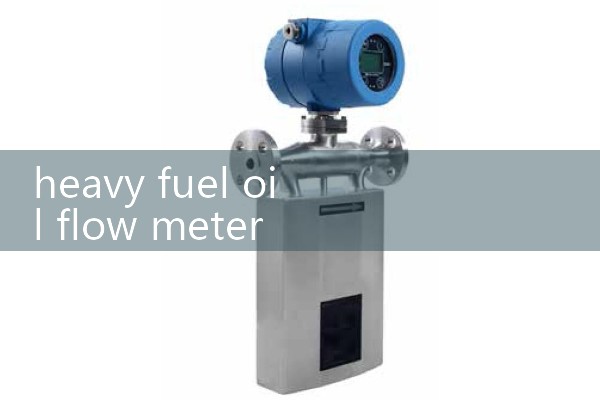
『heavy fuel oil flow meter DN80』Related information(flow rotameter|digital flow meter|balo meter|hydraulic flow meter|volumetric meter|positive displacement meter|pitot tube flow meter|displacement meter|cfm meter|variable area flow meter|inline flow meter|differential pressure flow meter|calibrated flow meter|velocity meter|paddle wheel flow meter|oval gear flow meter|anemometer hvac|multiphase flow meter|doppler flow meter|thorpe tube flowmeter|heat flow meter)
 # Oval Gear Flow Meters for Diesel: How to Get Accurate Measurement Under 0.1%
**Quick Answer:** Oval gear flow meters are the best choice for diesel flow measurement when you need accuracy under 0.1% and can handle diesel’s lubricating properties. These positive displacement meters work by trapping fixed volumes of fluid between two rotating gears. For diesel applications, expect working pressures up to 100 bar, viscosities from 0.5 cP to 10,000 cP, and temperature ranges from -20°C to +150°C. Silver Instruments supplies oval gear meters with 4-20 mA HART output for direct tanker loading and engine test stands.
## Why Oval Gear for Diesel
Diesel fuel has low viscosity, around 2 to 4.5 cP at 40°C. That is thinner than heavy fuel oil but thicker than gasoline. Many flow meter technologies struggle with diesel. But oval gear meters handle it well.
Here is the key reason: diesel is lubricating. Unlike water or solvents, diesel provides enough lubrication for the gears to seal against the chamber walls. This means minimal slip, which is the leakage between gears and housing. Less slip means better accuracy.
Most engineers skip this part: the clearance between gears and housing in an oval gear meter is typically 10 to 30 microns. That is about half the width of a human hair. For diesel, this tight clearance combined with fuel lubricity gives you accuracy down to 0.1% of actual flow.
## How Oval Gear Meters Work
Two oval shaped gears rotate inside a precision chamber. Liquid enters the inlet, pushes the gears, and gets trapped in the space between the gear teeth and the chamber wall. Each rotation displaces a fixed volume. A magnetic pickup or Hall effect sensor detects the gear rotation and sends pulses to a flow compu
 Hot News
 Related AD